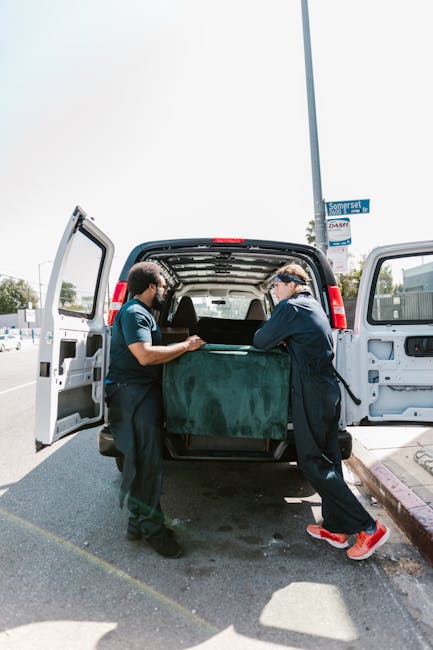
Brompton Cemetery removals respectful furniture moves
Moving furniture near Brompton Cemetery is not the same as a standard house move. The streets can be tight, the setting is sensitive, and people often want the work done quietly, neatly, and with real care. That is where Brompton Cemetery removals respectful furniture moves comes in: a thoughtful approach to moving items in and around one of London's most distinctive areas, without turning the day into a disruption.
Whether you are clearing a flat, moving family furniture, or shifting a few heavy pieces into storage, the best results come from planning, careful handling, and a crew that understands both the practical side and the atmosphere of the area. Let's face it, nobody wants a scratched sideboard, a blocked pavement, or a rushed job that feels a bit careless. This guide walks you through what respectful furniture moving really means, how it works, what to watch out for, and how to choose a service that feels calm from start to finish.
Table of Contents
- Why Brompton Cemetery removals respectful furniture moves Matters
- How Brompton Cemetery removals respectful furniture moves Works
- Key Benefits and Practical Advantages
- Who This Is For and When It Makes Sense
- Step-by-Step Guidance
- Expert Tips for Better Results
- Common Mistakes to Avoid
- Tools, Resources and Recommendations
- Law, Compliance, Standards, or Best Practice
- Options, Methods, or Comparison Table
- Case Study or Real-World Example
- Practical Checklist
- Conclusion
- Frequently Asked Questions
Why Brompton Cemetery removals respectful furniture moves Matters
Brompton Cemetery is not just another postcode landmark. It is a place that calls for discretion, quieter behaviour, and an awareness of how movement affects the people and places around it. If your move is nearby, respectful handling matters for more than just appearances. It helps protect the furniture, the property, the shared access routes, and the calm of the area.
In practical terms, respectful removals mean arriving prepared, keeping noise low where possible, parking sensibly, and moving items without unnecessary handling. A sofa dragged over a threshold, a wardrobe left in a hallway while the team chats outside, or boxes dumped in the wrong spot can make the whole experience feel careless. Nobody wants that. Not the customer, not the neighbours, and certainly not anyone trying to maintain the dignity of the area.
There is also a trust element. When you book a furniture move in a sensitive location, you are asking someone to work around your schedule, your belongings, and your space. The service should feel measured and professional, not hurried. That is especially true for older furniture, awkward staircases, period buildings, and flats where access is limited. Respect shows up in the small things: a good protective wrap, clear communication, and a crew that does not treat your move like a race.
Expert summary: respectful furniture moving is not just about being polite. It is about careful planning, quiet execution, sensible access management, and protecting both the item and the setting.
How Brompton Cemetery removals respectful furniture moves Works
A good furniture move starts before the van arrives. For Brompton Cemetery removals respectful furniture moves, the process usually begins with a short discussion about what needs moving, where from, where to, and what access issues might be involved. That includes stairs, lift size, narrow corridors, parking restrictions, and whether any item needs special handling.
From there, the team plans the right vehicle and equipment. For a small flat move, a man and van or removal van may be enough. For a larger household load, something closer to a moving truck might be more efficient. The point is not to use the biggest vehicle available. The point is to match the job properly.
On moving day, respectful service usually looks like this: the crew arrives on time, does a quick walk-through, protects fragile surfaces, loads items in a sensible order, and keeps communication steady. If the move involves furniture only, that may also include disassembly and reassembly of beds, tables, or shelving units. For more delicate items, extra padding and careful stacking make a real difference.
If you need help with wrapping, labelling, or preparing rooms before the move, pairing the job with packing and boxes or packing and unpacking services can reduce the last-minute scramble. Truth be told, that is often where people save the most stress.
After delivery, respectful movers do not just unload and leave things wherever they land. They place items where requested, remove their protective materials, and check that the main pieces are stable and usable. It sounds simple. It should be simple. But good removals are usually simple because someone planned them properly.
Key Benefits and Practical Advantages
The obvious benefit is that your furniture arrives safely. But there are a few other advantages that are easy to overlook until the day is underway and you are very glad they exist.
- Less risk of damage: Careful wrapping, lifting, and loading protects finishes, corners, and joints.
- Better neighbour relations: A quieter, tidier move reduces disruption in a busy or sensitive area.
- More efficient access: Good planning avoids repeated trips, awkward blocking, and unnecessary waiting.
- Reduced physical strain: Heavy lifting is handled properly, which matters if you are not moving the items yourself.
- Cleaner handover: Furniture is placed correctly, rather than left scattered across a room like a puzzle nobody asked for.
- Less emotional stress: Moving family pieces or inherited furniture can be surprisingly personal. A respectful approach acknowledges that.
There is also value in choosing a service that understands local moving patterns. In a place like South Kensington, small access details matter. A poor plan can turn a short move into a slow one. A thoughtful plan can make the whole thing feel almost calm. Almost. You still have to move the sofa, after all.
Who This Is For and When It Makes Sense
This type of move is ideal for anyone who wants furniture moved carefully and without unnecessary fuss near Brompton Cemetery or in the surrounding streets. It suits people in flats, terraced homes, mews properties, and commercial spaces with limited access. It also suits customers who simply want a more considerate service.
Common situations include:
- Moving a few key pieces between flats
- Relocating a household with antique or sentimental furniture
- Clearing rooms before decorating or renovation
- Delivering furniture into a building with tight stair access
- Transferring items into storage during a gap between tenancies or refurbishments
- Combining furniture removal with a wider home move
It can also make sense if you are moving on a fixed schedule and need the process to stay neat and predictable. For example, if contractors are due the next morning, or if a landlord needs the flat turned over quickly, a disciplined furniture removal plan makes everything easier. That's where a service like removal services becomes genuinely useful, not just convenient.
If the move is business-related, perhaps a practice, studio, or office close to the area, it may sit better within commercial moves or office removals. The principle is the same: move carefully, communicate clearly, and keep disruption down.
Step-by-Step Guidance
Here is a practical way to approach the move without overcomplicating it.
- Make a clear item list. Note each piece of furniture, its size, and whether it is fragile, heavy, or awkward to dismantle.
- Check access first. Measure doors, stairwells, lifts, and any tight bends. If the sofa barely made it in, it may not glide out magically.
- Decide what needs protection. Glass tops, wooden corners, marble surfaces, and upholstered pieces all benefit from different wrapping methods.
- Sort out parking and timing. In busy London streets, a well-timed arrival can save a lot of standing around.
- Choose the right vehicle. Small moves often fit better with a van; larger furniture loads may need a truck-based setup.
- Prepare the rooms. Clear hallways, remove loose rugs, and keep pets or children away from the moving route.
- Label destinations. If items are going to storage, another property, or different rooms, make that obvious before loading starts.
- Review the handover. Check items as they are unloaded so any issue is spotted immediately, not three days later after the kettle is already back on.
A tiny bit of prep really does make the day easier. Even simple things like taking photos of assembled furniture before dismantling can help later, especially when you have six screws left over and a mild sense of betrayal from the bedside table.
Expert Tips for Better Results
If you want a smoother experience, the small details matter more than people expect.
- Wrap before moving, not after. Once a leg catches a wall, the moment has passed.
- Use consistent labels. A simple room-and-item system saves time during unloading.
- Separate high-risk items. Keep mirrors, lamps, artwork, and anything glass away from the main stack.
- Disassemble only what truly needs it. Over-disassembly creates loose parts and extra confusion.
- Ask about insurance and handling. A reputable team should be able to explain how they protect items and manage risk.
- Keep one small essentials box aside. Screws, Allen keys, tape, and a cloth for final dusting can be surprisingly useful.
One more thing: if you are moving with a narrow time window, say a single afternoon, tell the movers early. That lets them plan the load order and avoid bottlenecks. It sounds obvious, but it gets missed a lot.
If you want reassurance on operational standards, the company's own health and safety policy, insurance and safety, and recycling and sustainability pages are worth reading before you book. They tell you a lot about how a team thinks, not just what they sell.
Common Mistakes to Avoid
Most furniture move problems are predictable. That is the annoying part. The good news is you can avoid them.
- Guessing the access route. A "should fit" attitude is not a plan.
- Leaving packing until the morning of the move. That is how screws go missing and stress levels rise.
- Not mentioning awkward items. Heavy drawers, oversized wardrobes, and fragile antiques all need to be declared early.
- Booking the wrong vehicle size. Too small means delays; too large may be wasteful or awkward in tight streets.
- Ignoring storage needs. If there is a gap between move-out and move-in, plan for it rather than improvising.
- Assuming all furniture can be handled the same way. A laminate cabinet, a leather sofa, and a piano are three different problems. Quite different.
It is also easy to forget the emotional side. Family furniture often carries a bit of history. If a piece matters to you, say so. Good movers adjust their handling when they know an item is significant, and frankly that human care is part of the service.
Tools, Resources and Recommendations
You do not need a van full of specialist gear to move furniture well, but a few practical tools make everything smoother:
- Furniture blankets and padding
- Stretch wrap for drawers and loose parts
- Straps for securing items in transit
- Corner protectors for fragile edges
- Tool kit for dismantling beds, tables, and shelving
- Labels or coloured tape for room allocation
- Floor protection for entryways and hallways
On the service side, the most useful pages to review are often the ones that tell you how a company actually operates. For example, pricing and quotes can help you understand how the job is assessed, while payment and security gives you a clearer picture of how the booking process works. If you are comparing providers, that sort of transparency is a good sign.
Depending on your move size, you might also look at furniture removals, furniture pick up, or a broader removals service. If you need extra short-term flexibility, same day removals may be relevant, though only if the access and packing are already under control.
Law, Compliance, Standards, or Best Practice
For a move near Brompton Cemetery, the main compliance issues are usually practical rather than dramatic, but they still matter. In London, parking, loading, access, and safe lifting are the big ones. You may also need to respect building rules, concierge instructions, noise expectations, and any property-specific requirements. If you are unsure, check before moving day rather than hoping it will all work out. Hope is lovely. Logistics are better.
From a best-practice point of view, a professional mover should work in a way that is safe, insured where appropriate, and considerate of the environment around them. That includes using sensible lifting techniques, securing loads properly, and avoiding unnecessary damage to shared areas. If furniture is being removed for disposal rather than re-use, it is also sensible to ask how the team handles reuse, recycling, or responsible collection.
For business clients, especially those arranging office or practice moves, the expectations become more formal. Timelines, access windows, and liability concerns should be clear in advance. That is why office relocation services and house removals are best treated as carefully planned jobs, not just a van turning up and hoping for the best.
If you want to understand the company side of things, pages such as terms and conditions, privacy policy, and about us are useful for trust and clarity. They help set expectations before anyone lifts a box.
Options, Methods, or Comparison Table
Different furniture moves call for different approaches. Here is a simple comparison to help you choose what fits best.
| Option | Best for | Strengths | Watch-outs |
|---|---|---|---|
| Man and van | Small furniture moves, flats, single-room clearances | Flexible, efficient, often best for lighter loads | May not suit bulky multi-item jobs |
| Removal van | Typical home furniture moves | Balanced size, practical for local routes | Needs good loading to avoid wasted space |
| Moving truck | Larger house moves or heavier mixed loads | More capacity, fewer trips | Can be harder around tight streets |
| Furniture-only removals | Selected items, single pieces, delivery to storage | Focused, often quicker, less disruption | Needs accurate item details in advance |
| Packed move with unpacking | Busy households or time-sensitive relocations | Less hands-on work for you, smoother finish | Costs more, but may save a lot of stress |
If you are unsure which option suits your situation, start with the furniture list and access constraints. That usually tells the truth faster than the marketing does.
Case Study or Real-World Example
Picture a small flat move near Brompton Cemetery on a damp weekday morning. Nothing dramatic, just a two-bedroom property with a heavy oak dining table, a bed frame, a bookcase, and a couple of fragile lamps. The stairwell is narrow, the lift is tiny, and the resident wants to keep noise down because neighbours are working from home.
In that sort of job, the respectful route is straightforward but deliberate. The movers arrive with protective blankets, tape, and the right tools for dismantling the bed. They check the table legs before lifting, move one large item at a time, and keep the hallway clear. The lamps go last, wrapped separately so they do not knock together. Nothing theatrical. No shouting. No dragging. Just steady progress.
The result is usually a smoother handover, fewer scuffs, and a customer who feels looked after rather than herded through the day. That is the difference between a standard move and one that actually feels respectful. Small detail, big effect.
Practical Checklist
Use this checklist before moving day. It keeps the process calmer than you might expect.
- List every furniture item that needs moving
- Measure doors, hallways, stairs, and lifts
- Confirm parking or loading access
- Identify fragile, valuable, or sentimental items
- Decide what will be dismantled and reassembled
- Prepare packing materials and labels
- Set aside essentials you do not want packed away
- Check whether anything needs storage
- Review safety, insurance, and payment details
- Keep clear contact details for moving day
If you are coordinating a more complicated move, you may also find flat removals, house removalists, and packing and unpacking services helpful for planning the wider picture. And if the job is smaller, a targeted man with a van option may be all you need.
Conclusion
Brompton Cemetery removals respectful furniture moves is really about care meeting competence. The setting asks for discretion, the furniture asks for protection, and you, quite reasonably, want the whole thing to be handled without drama. When those three things line up, the move feels much easier than people expect.
The best outcome usually comes from simple habits: plan access properly, choose the right vehicle, pack carefully, and work with movers who understand the value of calm, tidy, considerate service. It is not fancy. It is just good moving done well.
If you are comparing options, look for transparency, sensible communication, and a team that can explain how they will handle your items from start to finish. That reassurance matters. On moving day, you will notice the difference almost immediately.
Get a free quote today and see how much you can save.
And if you take only one thing from this guide, let it be this: a respectful move is not slower by default. Done well, it is simply smoother, safer, and far less stressful.
Frequently Asked Questions
What does Brompton Cemetery removals respectful furniture moves actually mean?
It means moving furniture near Brompton Cemetery in a careful, discreet, and well-planned way. The focus is on protecting items, respecting the surroundings, and keeping disruption low.
Is this service suitable for small flat moves?
Yes. It is often ideal for flat moves because access can be tight and furniture may need to be carried through narrow shared spaces. A smaller vehicle or removal van is often the right fit.
Can I use this for just one or two furniture items?
Absolutely. Many people only need a sofa, bed, wardrobe, or dining table moved. Furniture-only jobs are very common and can be more efficient than booking a full household move.
How do I know whether I need a van or a truck?
Start with the size and number of items, then think about access. A man and van setup is often enough for smaller loads, while a larger household move may need a moving truck.
What should I do before the movers arrive?
Clear the route, measure awkward access points, label items, and separate anything fragile. If possible, dismantle only the pieces that truly need it. A little prep saves a lot of time.
Do respectful furniture moves include packing?
They can. If you want extra help, packing and boxes or packing and unpacking services can make the process much smoother.
What if I need to store some of the furniture temporarily?
Then it is sensible to plan for storage in advance. Many moves involve a gap between properties, and keeping items secure in storage can reduce pressure on the moving day.
How can I reduce the risk of damage?
Use proper wrapping, keep fragile items separate, and make sure access details are accurate. A good mover will also use blankets, straps, and sensible loading methods.
Is this kind of move more expensive because of the location?
It can be, depending on access, vehicle size, time constraints, and the amount of handling required. The clearest way to understand cost is to request a detailed quote through pricing and quotes.
What should I look for in a moving company?
Look for clear communication, transparent pricing, sensible safety practices, and evidence that they handle furniture carefully. Pages such as about us and insurance and safety can help you judge whether the company feels trustworthy.
Can the movers also help with disposal or furniture pick-up?
In many cases, yes. If you are clearing unwanted pieces, furniture pick up and furniture removals are useful services to explore.
What if I need the move done very quickly?
If timing is tight, ask about availability for same day removals. Just make sure the furniture is ready and access is clear, because speed and chaos are not the same thing.
Can this be combined with a full house or office move?
Yes. Furniture moving near Brompton Cemetery can be part of a wider house removals or office relocation services project, depending on what you are moving and where it is going.
What makes a move feel respectful, beyond just being careful?
It is the whole approach: punctual arrival, quiet handling, tidy loading, clear communication, and a final placement that leaves the space usable. It sounds small, but it makes a big difference, especially in a sensitive London setting.